Personalized Spine Surgery
Personalized Spine Surgery: A Guide for Patients
Welcome to Specialty Orthopaedics' comprehensive guide on Personalized Spine Surgery. This resource is designed to provide patients with clear, evidence-based information about this advanced approach to treating spinal conditions. Dr. Vamsi Kancherla, MD, a board-certified spine surgeon at Specialty Orthopaedics in Gainesville, GA, specializes in innovative spine care, including minimally invasive, robotic, and navigated techniques that align with personalized surgical planning.
As a spine surgeon dedicated to providing the best possible care, Dr. Kancherla is excited to share information about personalized spine surgery. This innovative approach tailors treatments to your unique anatomy, potentially leading to better outcomes and a smoother recovery. Below, you'll find clear, patient-friendly explanations based on the latest advancements in the field. Remember, this is general information—always discuss your specific situation with your healthcare provider.
If you're considering spine surgery or have been recommended for a procedure, this guide will help you understand the options, benefits, and what to expect. Remember, this is general information—always consult with Dr. Kancherla for advice tailored to your specific health needs.
What is Personalized Spine Surgery?
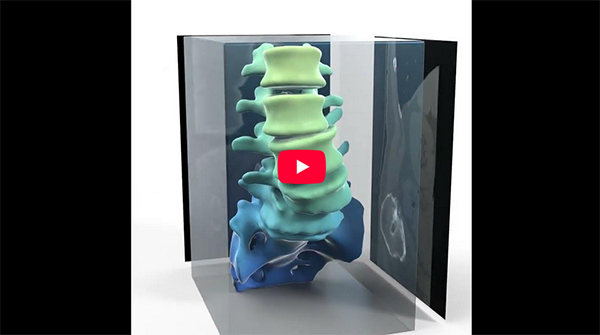
Personalized spine surgery, also known as patient-specific (PS) surgery, customizes surgical tools, implants, and plans to fit your individual body. Unlike traditional methods that use "one-size-fits-all" approaches, this technique uses advanced technology to create solutions designed just for you. It's particularly helpful for conditions like spinal deformities (such as scoliosis) and degenerative spine issues, where precise alignment is key to reducing pain and improving mobility.
Think of it like getting a custom-fitted suit instead of off-the-rack clothing—it fits better and works more effectively.
Personalized spine surgery represents a cutting-edge evolution in spinal care, where treatments are customized to your unique anatomy, condition, and needs. Unlike traditional "one-size-fits-all" approaches, personalized methods use advanced imaging, AI, 3D modeling, and custom implants or guides to optimize outcomes.
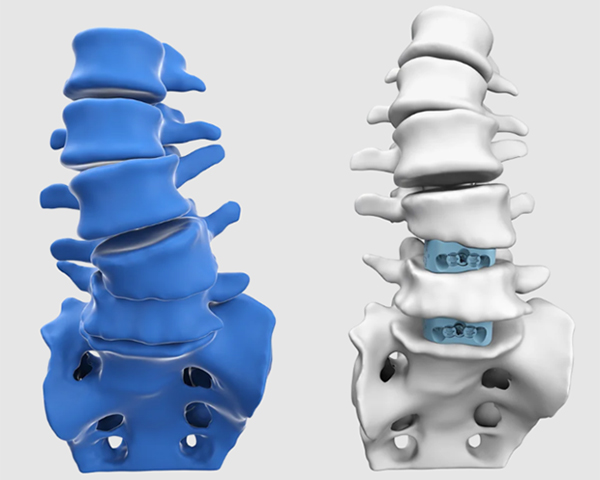
For example, systems like the aprevo® Personalized Spine Procedure by Carlsmed create custom interbody fusion devices based on your CT scans and surgeon's plan. This ensures better alignment, fit, and stability. Other techniques involve patient-matched surgical guides or 3D-printed models for precise planning.
At Specialty Orthopaedics, Dr. Kancherla incorporates elements of personalization through robotic navigation and minimally invasive techniques, tailoring each surgery to reduce risks and enhance recovery.
Recent Advancements
In 2025, UC San Diego Health performed the world's first personalized anterior cervical spine surgery using AI and 3D-printed implants. This involved removing a damaged disc and fusing vertebrae with a custom titanium implant tailored to the patient's anatomy, potentially improving alignment and reducing complications. Such innovations highlight how AI analyzes imaging and biomechanical data to predict outcomes and design implants, paving the way for broader adoption.
How Does It Work? Key Technologies Involved
Personalized spine surgery relies on cutting-edge tools to plan and execute procedures with high accuracy. Here's a breakdown of the main technologies, with expanded details on how they function:
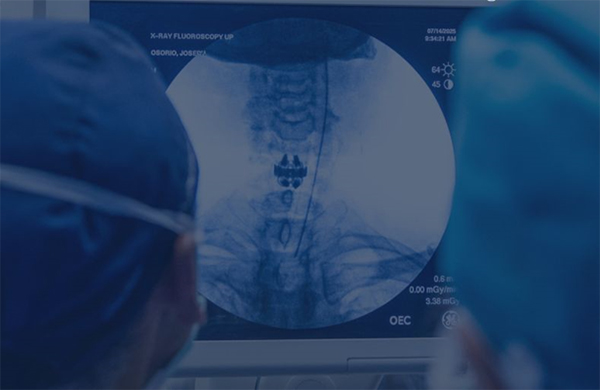
- Preoperative Planning Software: Before surgery, we use specialized software (e.g., Surgimap or systems like UNiD from Medtronic) to create a detailed 3D model of your spine based on imaging scans (like CT or MRI). This software simulates the surgery, predicts outcomes, and designs the exact surgical plan, including optimal implant placement and alignment corrections. It works by converting 2D images into interactive 3D models, allowing surgeons to test different scenarios virtually.
- 3D Printing: Custom implants, such as rods, cages, or screws, are printed layer-by-layer using materials like titanium or polymers. This additive manufacturing process starts with your scan data to produce implants that match your spine's exact shape and biomechanics. Companies like Carlsmed (with their aprevo® system) use AI to automate and refine this process. For faster, more precise results.
- Artificial Intelligence (AI) and Predictive Modeling: AI analyzes your imaging data, medical history, and biomechanical factors to predict surgical outcomes and recommend custom plans. Predictive models, such as finite element analysis (FEA), simulate how your spine will respond post-surgery, optimizing parameters like thoracic kyphosis or pelvic tilt. For instance, AI can automate implant design, reducing manual steps and aiding clinical decisions.
- Robotics and Surgical Guides: Robotic systems (e.g., Mazor X or ExcelsiusGPS) or custom 3D-printed guides assist in placing implants accurately. Guides are patient-specific templates that fit over your vertebrae to direct screw insertion, while robotics provide real-time navigation based on preoperative plans. This minimizes errors and enhances precision during surgery.
These technologies work together to turn complex data into a personalized roadmap for your surgery.
Benefits of Personalized Spine Surgery
One of the most exciting aspects of personalized spine surgery is how it can improve your experience and results. Benefits include:
| Benefit | Description |
|---|---|
| Improved Accuracy | Custom implants and guides match your spine's exact shape, reducing misalignment risks. |
| Faster Recovery | Minimally invasive techniques often mean smaller incisions, less pain, and quicker return to daily activities. |
| Better Long-Term Outcomes | Personalized planning can lower complication rates, such as implant failure or need for revision surgery. |
| Reduced Pain | Precise targeting addresses the root cause, potentially decreasing post-op discomfort. |
| Patient-Specific Care | Aligns with your lifestyle, age, and health goals for higher satisfaction. |
- Better Spinal Alignment: Custom implants help achieve your specific alignment goals, which can lead to improved posture, less pain, and greater function—especially for deformities like scoliosis. Studies show over 90% accuracy in pedicle screw placement with PS tools.
- Reduced Risks: By fitting precisely to your anatomy, these tools may lower the chance of complications, such as misalignment, subsidence (implant sinking into bone), or the need for follow-up surgeries. Robotic assistance reduces biomechanical stress on adjacent levels.
- Enhanced Precision and Recovery: Tailored planning often means shorter operating times, less tissue disruption, less blood loss, and potentially faster healing. AI-driven personalization can decrease hospital stays and improve long-term stability.
- Improved Overall Outcomes: Studies show promising results in correcting spinal issues, leading to better quality of life. For example, PS rods have demonstrated strong correlations between predicted and actual postoperative alignments.
For patients with degenerative spine conditions, like herniated discs or stenosis, PS implants (e.g., custom cages) might experience less post-surgery discomfort thanks to better osseointegration (bone-implant fusion).
Studies show that personalized implants can improve spinal alignment and patient satisfaction, leading to enhanced quality of life.
The Process: How Personalized Spine Surgery Works
The aprevo® procedure and similar personalized methods typically involve four key steps:
- Preoperative Planning: Advanced imaging (CT/MRI) is used to create a 3D model of your spine. AI algorithms help design a custom plan and implant.
- Custom Fabrication: The implant or guide is 3D-printed to fit your anatomy precisely.
- Surgery: Dr. Kancherla performs the procedure using robotic assistance for accuracy, placing the custom device.
- Post-Op Monitoring: Follow-up ensures proper healing, with adjustments as needed.
The entire process empowers your surgeon to deliver results that closely match the plan, potentially reducing surgery time and risks.

Real-World Applications and Examples
Personalized spine surgery is already making a difference in various cases:
- Scoliosis Correction: Custom rods (e.g., UNiD rods) and cages are used to straighten the spine more effectively than standard ones. In adolescent idiopathic scoliosis, preoperative modeling has accurately forecasted thoracic kyphosis changes.
- Degenerative Spine Treatment: For issues like herniated discs or spinal stenosis, patient-specific guides ensure implants are placed exactly where needed. A study on trans-facet lumbar interbody fusion (TLIF) using dual expandable cages showed procedures under 3 hours with minimal blood loss, often performed awake.
- Case Illustrations: Imagine a patient with a curved spine—pre-surgery modeling designs implants that restore natural alignment, as shown in examples where outcomes like posture and mobility are significantly improved. Real cases include PS cages for Ewing sarcoma in adolescents and tuberculosis-related deformities, leading to stable reconstructions without complications.
Risks and Considerations
While personalized spine surgery offers many advantages, it's important to be aware of potential challenges:
- Availability and Cost: Not all centers offer these advanced technologies, and they may involve additional expenses (check with your insurance). The 3D printing market is growing, but access remains limited in some areas.
- Learning Curve: Surgeons need specialized training, so choose an experienced provider. Risks include technical failures in robotics or inaccuracies in modeling due to data quality.
- Ongoing Research: This field is evolving, and while results are promising, more studies are needed to fully understand long-term effects. Small study sizes limit generalizability, and factors like age or preoperative alignment can affect outcomes.
As with any surgery, risks like infection or anesthesia issues still apply, but personalization aims to minimize them. We'll discuss these in detail during your consultation.
General Patient Information
Preparation for Surgery
- Consultation: Meet with Dr. Kancherla to discuss your symptoms, review imaging, and determine if personalized surgery is right for you.
- Pre-Op Tests: Blood work, EKGs, and imaging to customize your plan.
- Lifestyle Prep: Quit smoking, maintain a healthy weight, and follow any prescribed exercises.
- What to Bring: Comfortable clothes, ID, and a support person.
During Surgery
Procedures are often outpatient or short-stay, using general anesthesia. Dr. Kancherla's team ensures safety with real-time monitoring.
Recovery and Aftercare
- Immediate Post-Op: Pain management, mobility aids, and monitoring for complications.
- Home Care: Follow wound care instructions, take prescribed meds, and attend physical therapy.
- Timeline: Many patients resume light activities in 2-4 weeks; full recovery in 3-6 months.
- Potential Risks: Infection, bleeding, or nerve issues—discussed in detail during consultation.
Recovery varies, but many patients report quicker returns to daily activities compared to traditional methods.
What to Expect If You're a Candidate
If personalized spine surgery is right for you, the process typically includes:
- Detailed imaging to build your custom model.
- Collaborative planning with your surgeon, possibly using AI for predictions.
- Surgery using tailored tools for precision, such as robotic-assisted placement.
- Follow-up care to monitor your progress, with potential for faster recovery due to better fit.
Looking to the Future
Personalized spine surgery is an important step forward in spine care, with ongoing research focused on refining techniques and expanding its use. Future directions include larger studies to validate benefits, integration of more AI for real-time adjustments, and broader adoption for complex cases like tumors or infections. As technology advances, we expect even better tools for predicting and achieving optimal results, potentially making custom implants the standard of care.
If you're dealing with spine issues and want to learn if personalized options could help, schedule a consultation today. Together, we can create a plan that's as unique as you are.
Frequently Asked Questions (FAQs)
- Is personalized spine surgery right for me? It depends on your condition. Dr. Kancherla evaluates factors like severity and overall health.
- How long does the surgery take? Typically 1-3 hours, depending on complexity.
- What are the success rates? Personalized methods can achieve high success (80-90% pain relief), but individual results vary.
- Does insurance cover it? Many plans do, but check with your provider. Specialty Orthopaedics can assist.
- Can I avoid surgery? Non-surgical options like therapy or injections are tried first.
For more FAQs, visit our full patient resources page.
Disclaimer
This information is for educational purposes only and not a substitute for professional medical advice.
Contact Us
Ready to learn more? Schedule a consultation with Dr. Kancherla at Specialty Orthopaedics.
Address: 1240 Jesse Jewell Pkwy SE, Suite 300, Gainesville, GA 30501
Phone:
Website: www.specialtyorthoga.com
Email: [javascript protected email address]
We're here to support your journey to a healthier spine. Thank you for trusting Specialty Orthopaedics!
Patient's Guide
English
Spanish
References
- Vamsi Kancherla, MD - Specialty Orthopaedics
- Dr Vamsi Kancherla | Orthopaedic Spine Surgeon Gainesville
- Vamsi KANCHERLA | Spine Surgeon | Orthopaedics - ResearchGate
- Vamsi Kancherla - Specialty Orthopaedics - LinkedIn
- Dr. Vamsi Krishna Kancherla, MD - Interventional Spine and ...
- World’s First Custom Anterior Cervical Spine Surgery
- 3D-Printed Personalized Implant Aims to Give Spinal Patients a ...
- Personalized Spine Implants - Personalized Spine
- AI Paving the Way for Personalized Spine Implants
- A 3D-Printed Solution for the Spine - UConn Today
- Workflow diagram of the proposed method. From a cohort of 3D
- Workflow diagram of the development and evaluation of new surgical...
- Advancements in Custom 3D-Printed Titanium Interbody Spinal
- [PDF] 3D Printed Patient Specific Surgical Guide for Spine Registration
- [PDF] Surgical Process Modeling for Open Spinal Surgeries
- Minimally Invasive vs. Traditional Spine Surgery: What's Best for You?
- Traditional vs. Minimally Invasive Spine Surgery - New York City Spine
- Personalized Interventional Surgery of the Lumbar Spine
- Minimally Invasive vs. Traditional Spine Surgery: Weighing the Options
- Minimally Invasive Spine Surgery vs Traditional Open Surgery
- Flow diagram of study groups. TLIF: transforaminal lumbar interbody
- Flow diagram of MIS-TLIF and PLIF. - ResearchGate
- Lumbar interbody fusion diagrams (Creative Commons)
- MISS Transforaminal lumbar interbody fusion (TLIF)
- [PDF] Transforaminal Interbody Fusion (TLIF) - SunCoast Seminars
- 373 Spine Surgery Recovery Stock Photos & High-Res Pictures
- Spinal Surgery Recovery Pictures, Images and Stock Photos - iStock
- Physical Therapy Spine royalty-free images - Shutterstock
- 463 Back Surgery Recovery Stock Photos & High-Res Pictures
- Physical Therapy Spine Pictures, Images and Stock Photos - iStock
- Endoscopic Spine Surgery | Discectomy & Laminectomy Surgery
- Minimally Invasive Spine Surgery: 10 Powerful Benefits in 2025
- Minimally Invasive Spinal Surgery vs. Traditional Surgery: Weighing
- Minimally Invasive versus Open Spine Surgery: What Does the Best
- Minimally Invasive Spine Surgery vs Traditional Open Surgery
Additional Supporting Literature from Recent Research
- Personalized Approaches to Spine Surgery
- Moving toward Personalized Spine Surgery Outcomes
- Patient-specific implants and spinal alignment outcomes
- 6 Benefits of Advanced Robotic Spine Surgery
- Optimizing TLIF Approach Selection: An Algorithmic Framework with ...
- Application of a 3D custom printed patient specific spinal implant for ...
- How we 3D-print a model of your spine to enhance complex back ...
- Precision medicine: USA Health using customized spine surgery ...
- restor3d: Personalized, 3D-Printed Orthopedic Implants
- Introducing easyNav™ 2.0: A Personalized Spine Surgery Solution
- How aprevo ® Works - Personalized Spine
- Three-Dimensional Printing for Preoperative Planning and Pedicle
- [PDF] MYSPINE PATIENT-SPECIFIC SPINAL FUSION
- UVA Among the First to Offer Personalized Implant for Spinal Fusion